Hints and Tips
Queenstown Ski Season: When to Visit for the Best Snow and Ski Conditions
Planning a Queenstown ski trip? Learn when ski season starts, the best months for snow, and what conditions to expect from June to October.
Kirsty Hunter
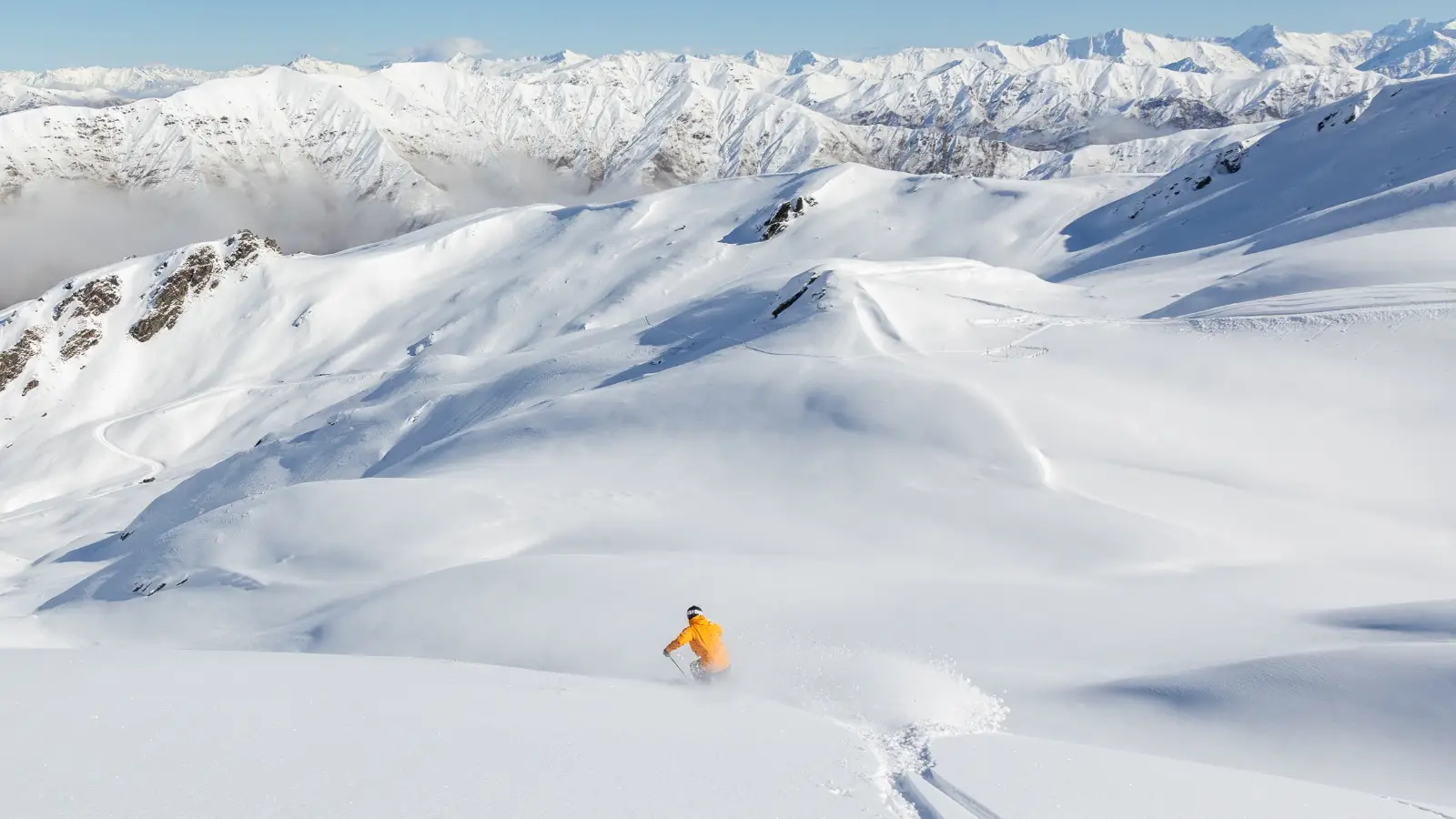
Queenstown ski season typically runs from mid-June through early October, bringing several months of skiing and snowboarding to the mountains surrounding the Southern Lakes.
But the experience on the mountain changes noticeably as winter unfolds. Early season brings the excitement of lifts opening and the first storms of winter. Mid-winter usually delivers the most consistent snow conditions. By spring, longer days and warmer temperatures create relaxed afternoons on the slopes.
Understanding how the season develops can help you decide when to plan your Queenstown ski trip, whether you're chasing powder days, quieter slopes, or sunny spring skiing.
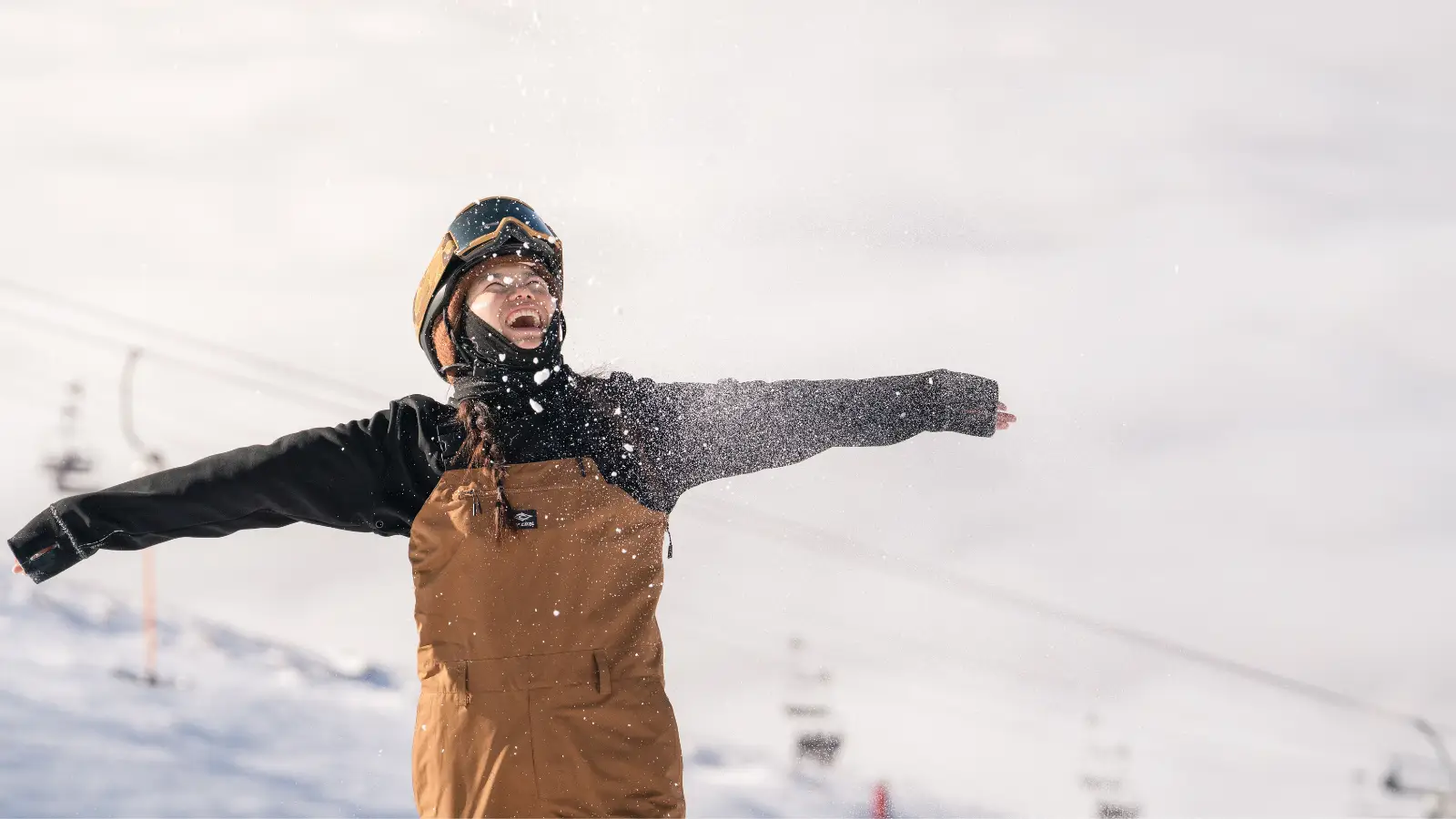
Table of Contents
When is the best time to ski in Queenstown?
For most visitors, the best time to ski in Queenstown is late July through August.
By this stage of winter the mountains have usually built a solid snowpack and most terrain across the region’s ski fields is operating. Storm cycles moving through the Southern Alps regularly refresh conditions, helping maintain good coverage across both groomed runs and alpine terrain.
That said, the ideal timing depends on the type of ski trip you want.
June offers early-season excitement and generally quieter slopes.
July and August tend to deliver the most reliable snow conditions.
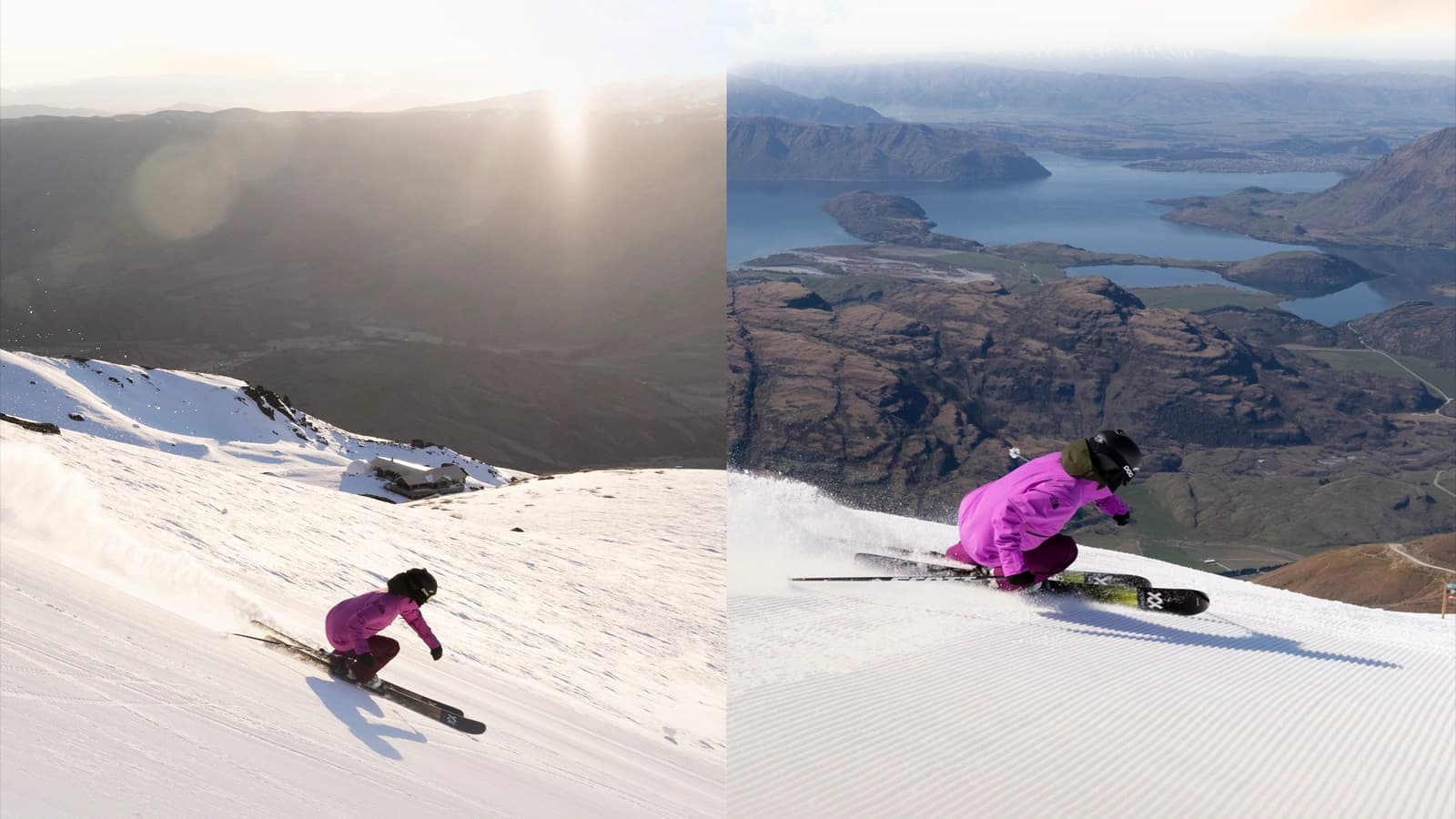
September brings longer days, sunshine and softer spring snow.
Each part of the season has its own appeal.
How long is the Queenstown ski season?
The ski season in Queenstown usually lasts around four months, beginning in mid-June and continuing into early October depending on snow conditions.
Ski areas open progressively as winter storms begin to settle across the Southern Alps. As the season develops, the snowpack deepens and more terrain becomes available across the mountains.
For a broader overview of how winter unfolds across the country, see our guide to the New Zealand ski season.
What skiing is like throughout the season
Each part of winter offers a slightly different mountain experience.
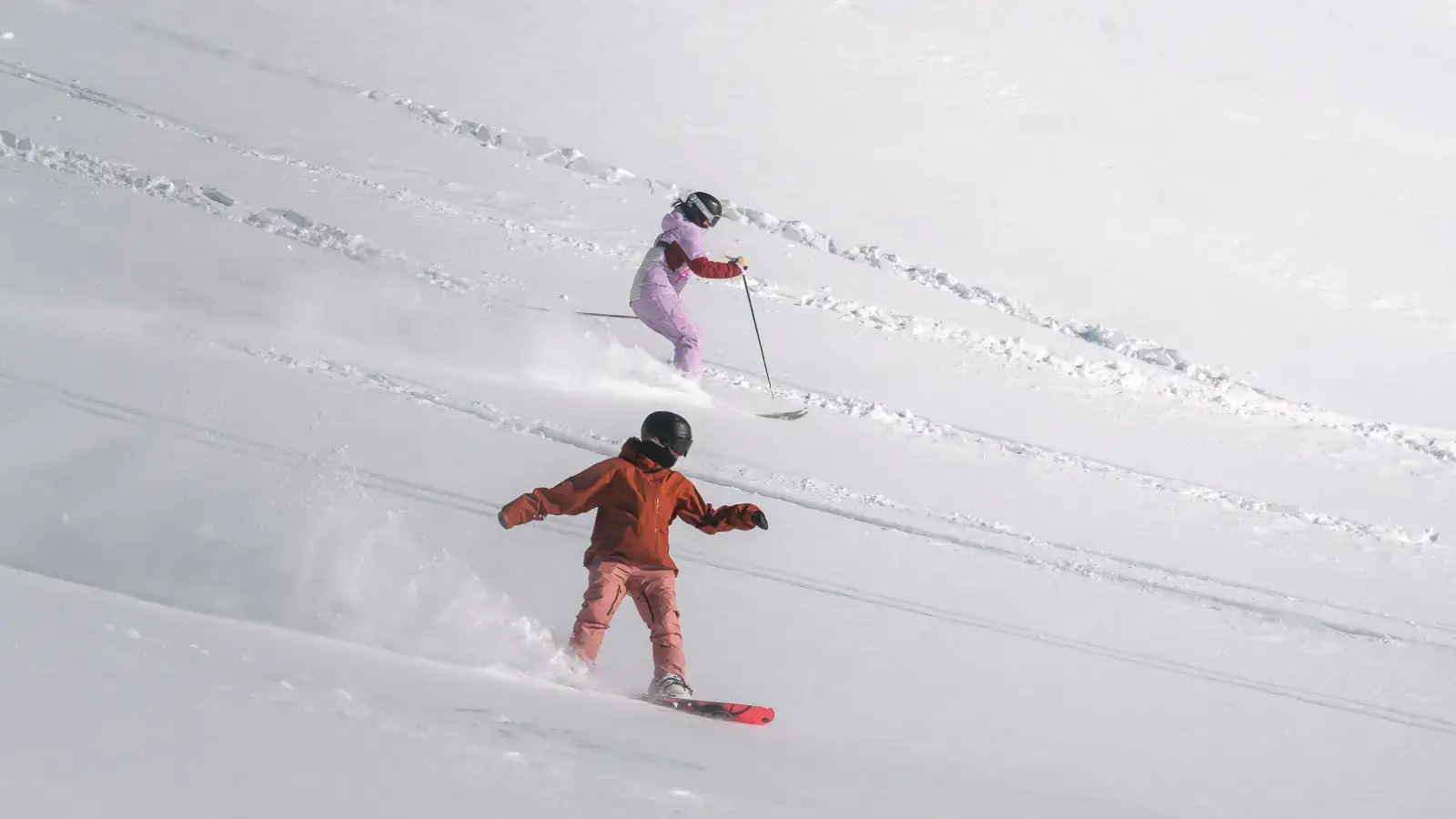
June - Early season skiing
June marks the return of winter to the Southern Alps. Lifts begin turning again and the first snowfalls settle across the mountains.
Early season skiing often focuses on groomed runs and beginner areas while snow conditions build across the mountain. Outside school holiday periods, visitor numbers can be lower, creating a relaxed atmosphere on the slopes.
For travellers with flexible dates, June can be an enjoyable time to experience the start of the ski season.
July - Winter in full swing
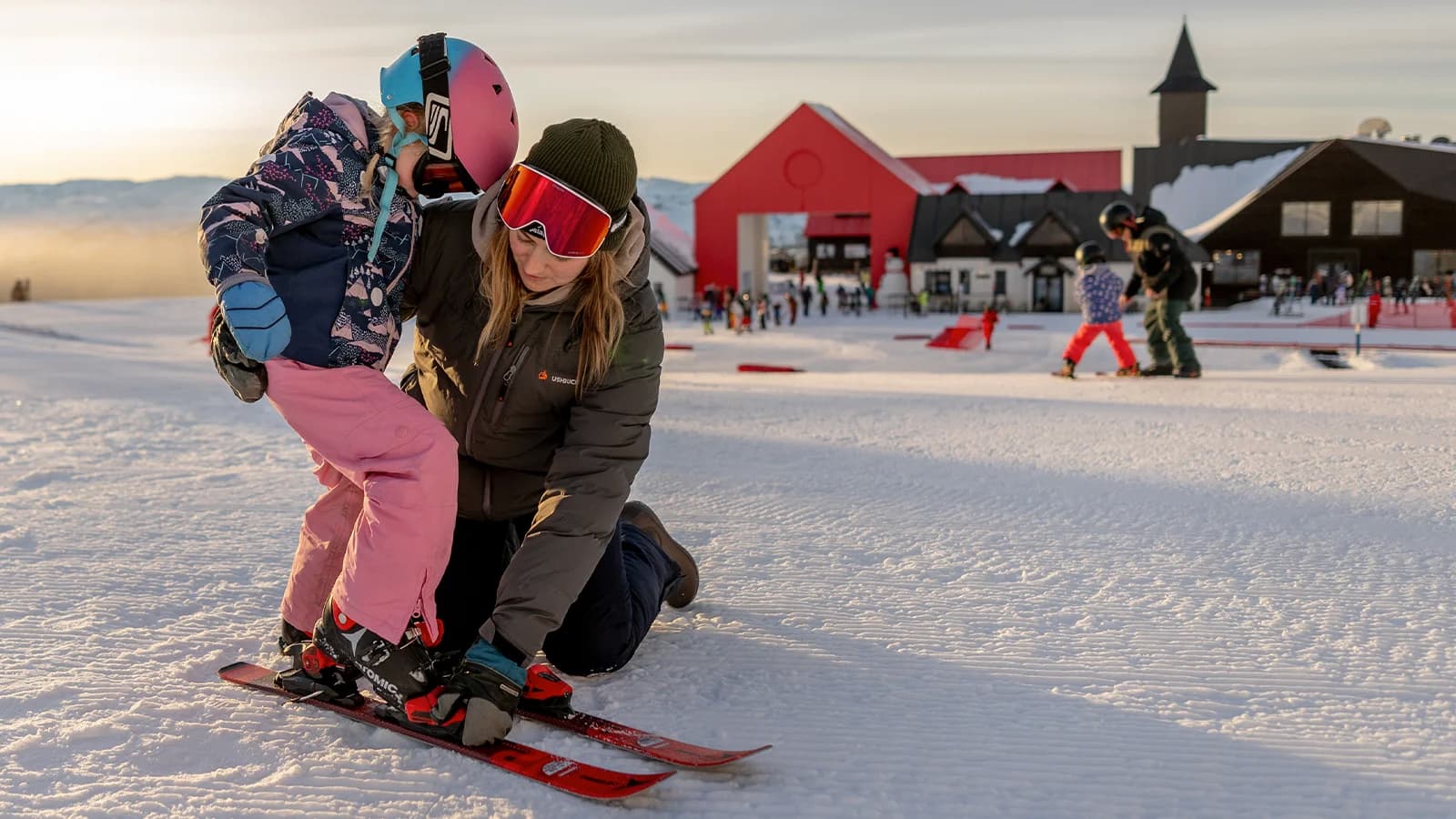
By July, winter has properly settled across the mountains surrounding Queenstown and Wānaka.
Storm systems move more regularly through the region and ski fields are usually operating across most terrain. The atmosphere becomes lively as school holidays in both New Zealand and Australia bring skiers and snowboarders to the mountains.
Base areas are buzzing, lessons are running throughout the day and the mountains feel energetic.
August - Consistent mid-winter conditions
August sits right in the middle of the ski season and often offers some of the most settled conditions of winter.
Cold alpine temperatures help preserve snow quality, and the mountains typically hold good coverage across a wide range of terrain.
Visitor numbers often ease slightly once school holidays pass, making August a favourite time for many experienced skiers.
September - Spring skiing
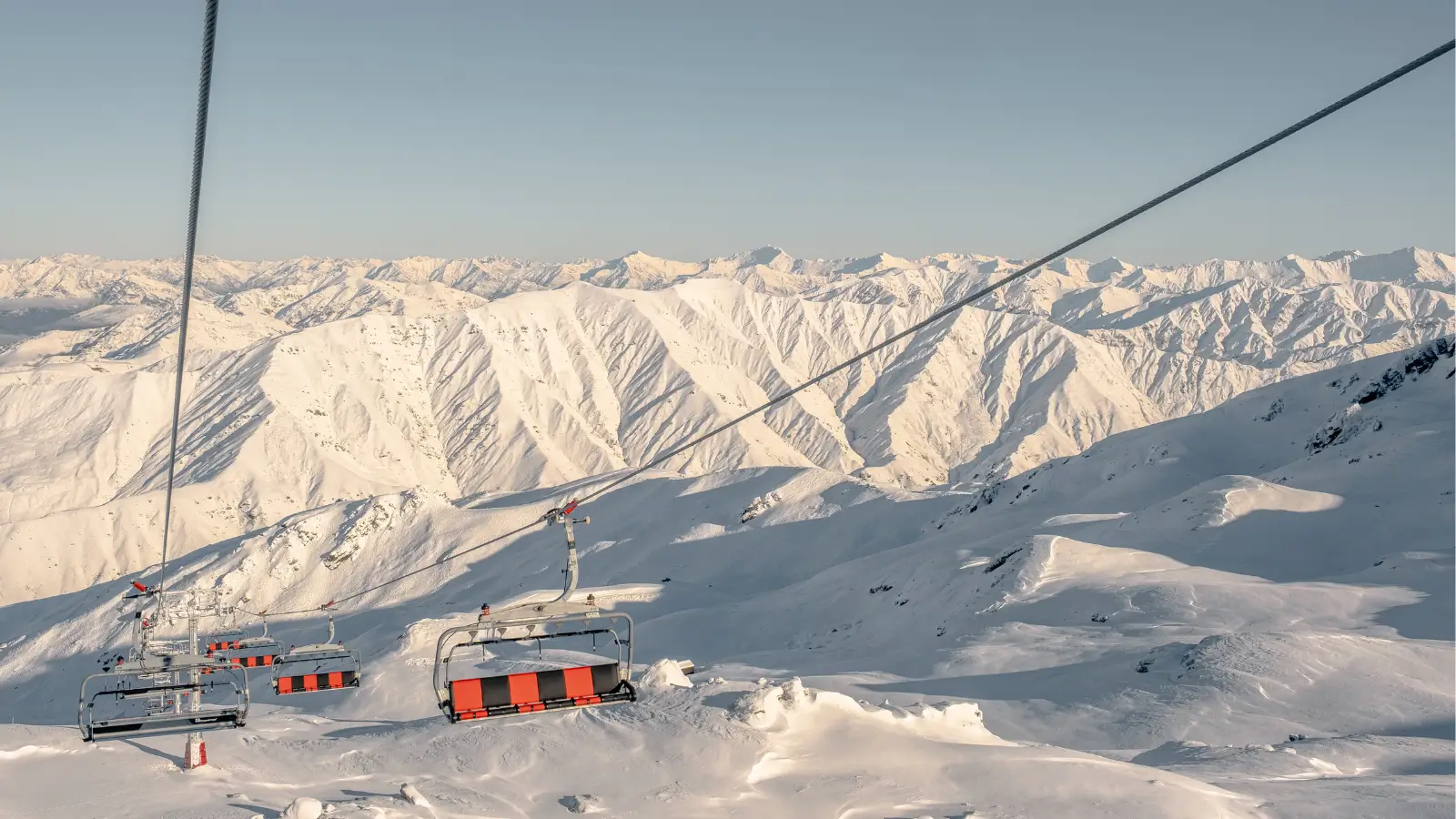
By September the pace of the season shifts.
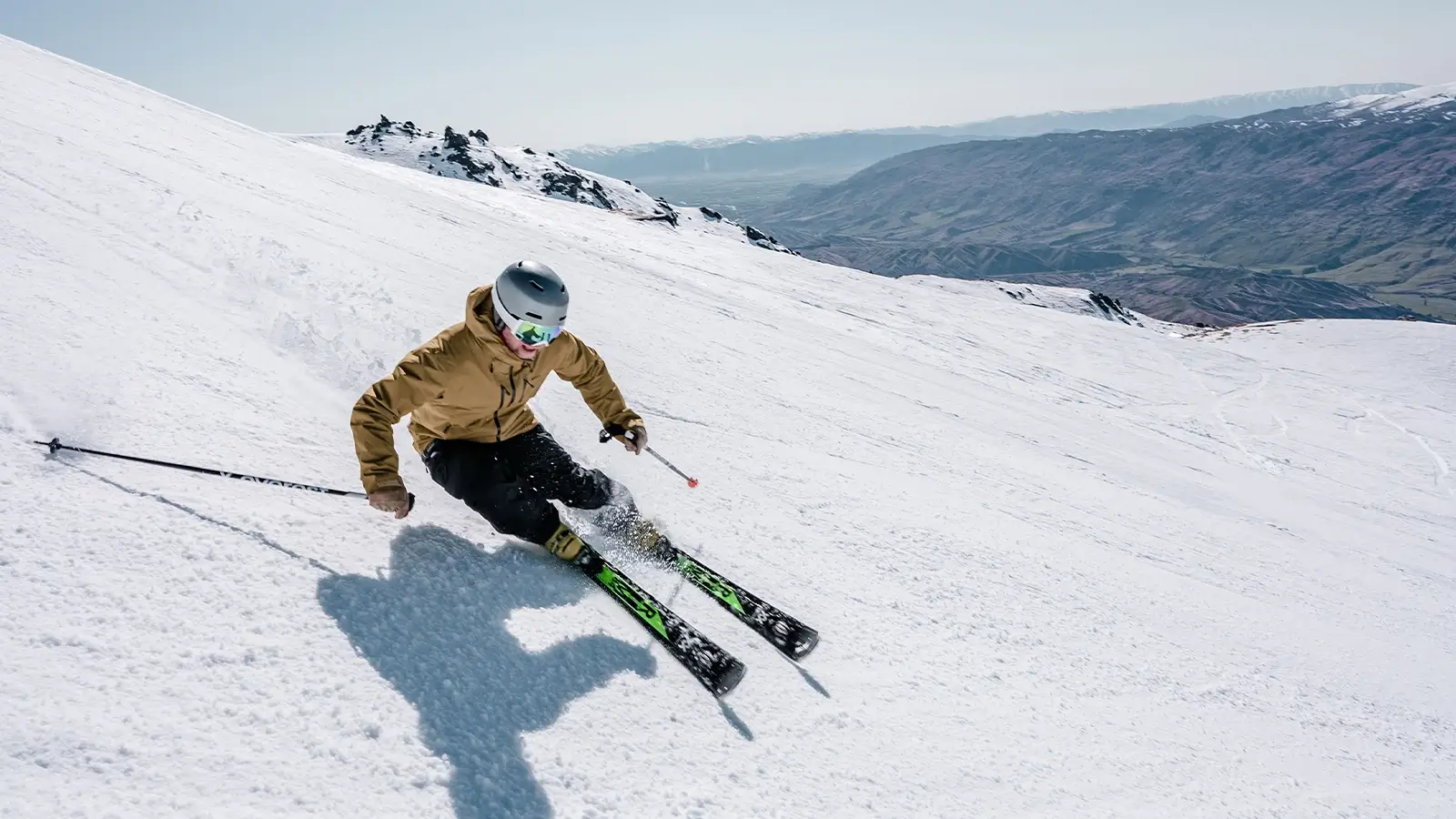
Days grow longer, the sun sits higher in the sky and the mountains take on a more relaxed rhythm. Snow conditions often start firm in the morning before softening into smooth, carvable turns during the afternoon. The last few springs have also thrown in some late-season storms, bringing fresh powder well into September. We won't jinx it, but worth keeping an eye on the forecast.
Spring skiing in Queenstown combines reliable coverage with warmer weather and spectacular bluebird days.
In strong winters, skiing can continue into early October.
When does Queenstown set the most snow?
Snowfall in the Southern Alps varies each winter, but the middle of the season generally sees the most regular storm activity.
Weather systems moving across the Tasman Sea frequently deliver snow to the mountains around Queenstown and Wānaka. Combined with colder alpine temperatures, these storms help maintain consistent coverage throughout the winter months.
Cardrona and Treble Cone have also invested significantly in snowmaking in recent years, giving the mountains a reliable base to build on from early in the season.
Ski fields near Queenstown
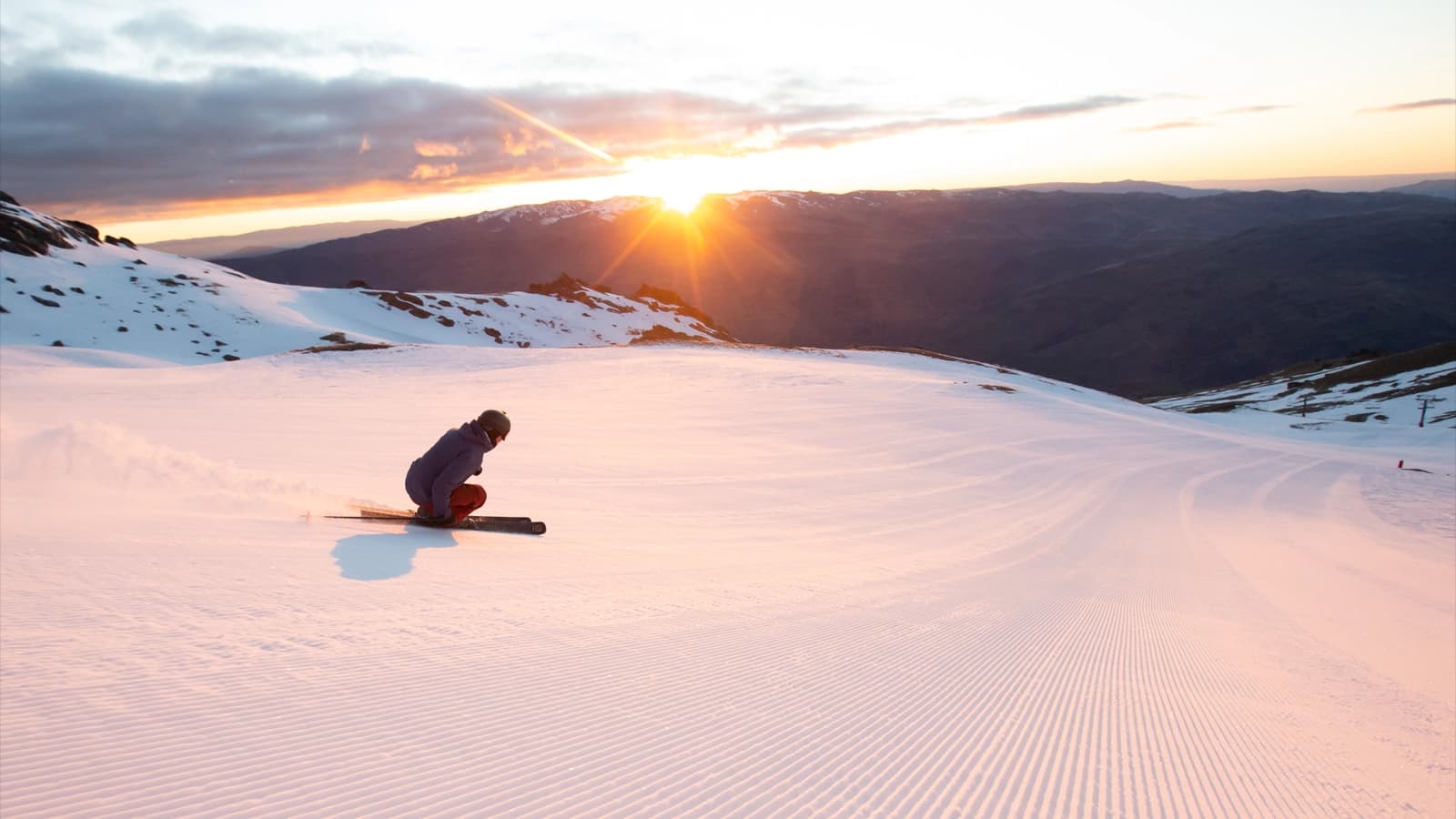
One of the advantages of skiing in Queenstown is the variety of mountains within easy reach. Each ski area offers a different experience.
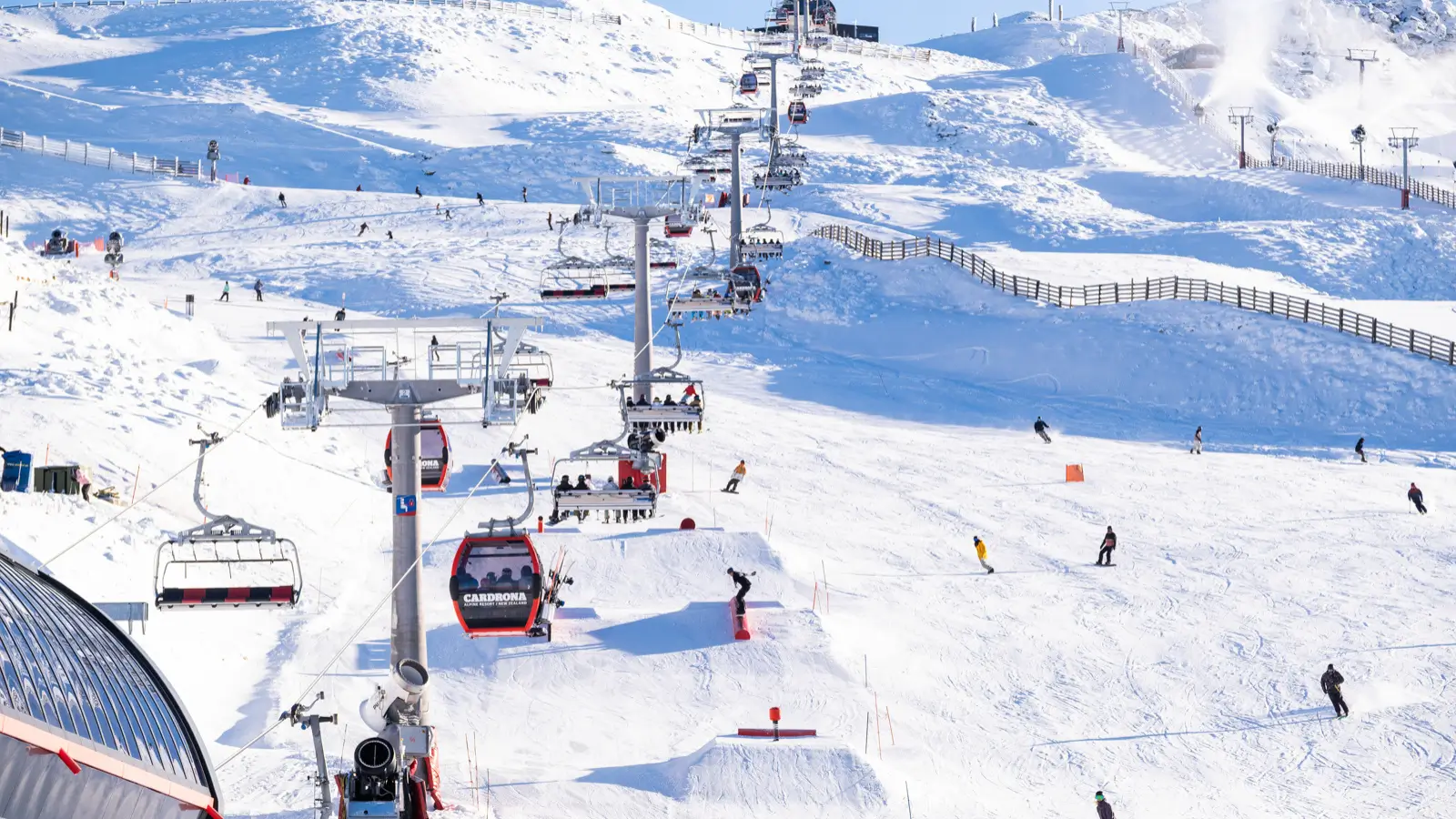
Cardrona Alpine Resort
Located between Queenstown and Wānaka, Cardrona Alpine Resort is New Zealand's biggest ski resort. Three vast basins cover every level, from wide beginner slopes and world-class terrain parks through to the 150ha of new alpine terrain in Soho Basin. The mountain is also internationally known for its terrain parks and freestyle facilities.
If you're visiting for the first time, see our Beginner’s Guide to Skiing at Cardrona.
Treble Cone
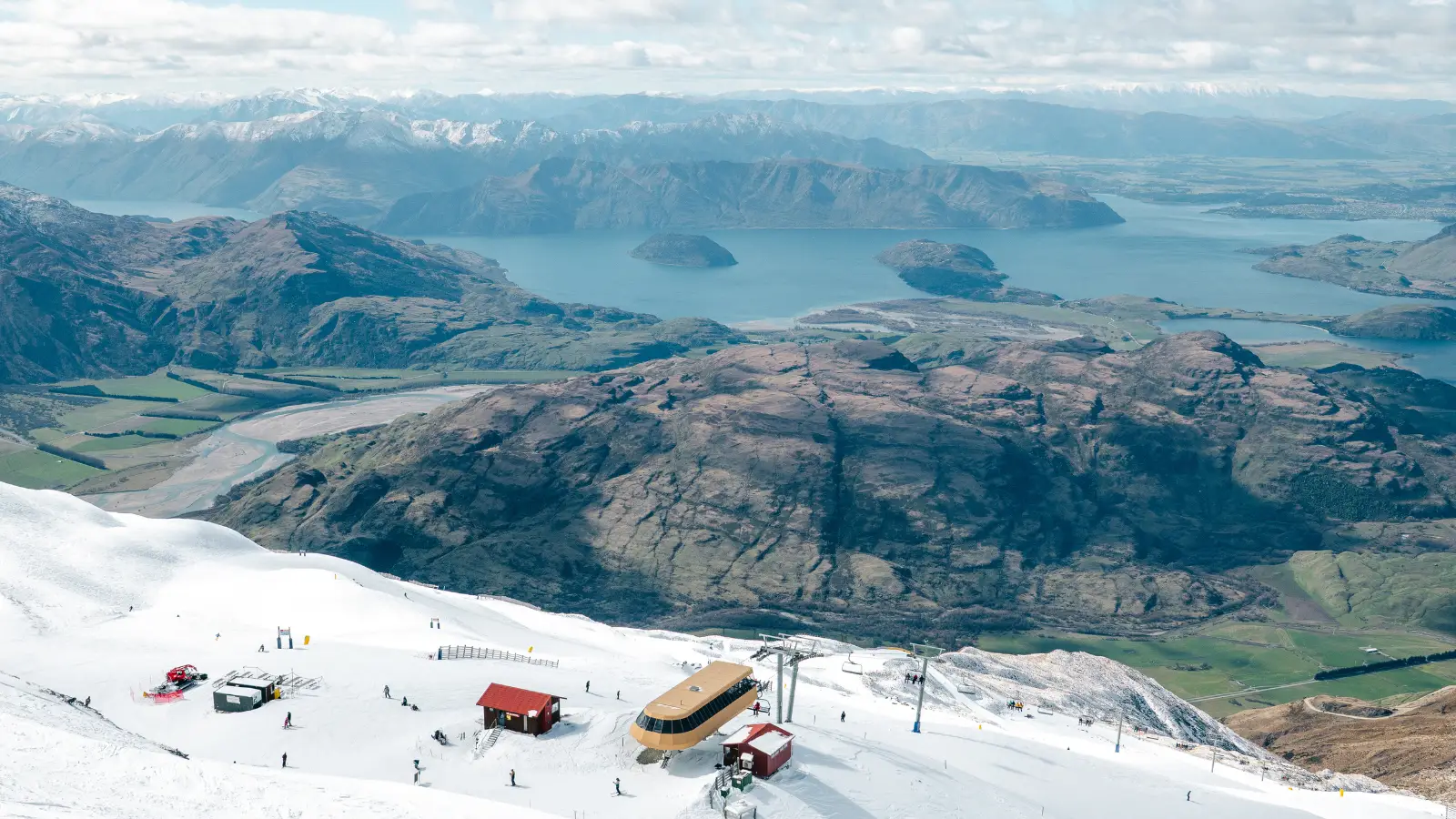
Treble Cone is famous for its dramatic terrain and sweeping views over Lake Wānaka.
With some of the longest vertical runs in the country, it's earned its reputation among serious skiers - but a dedicated beginner area means there's a place for first-timers here too.
Coronet Peak
Coronet Peak sits just outside Queenstown and is the most accessible ski field in the region.
Efficient lifts and extensive snowmaking help maintain reliable coverage, and it’s the only mountain near Queenstown offering night skiing during winter.
The Remarkables
The Remarkables rises above Queenstown and offers a spectacular alpine setting with a mix of natural bowls, cruisers and terrain parks.
Its varied terrain makes it popular with skiers and snowboarders of all abilities.
For a full comparison of mountains across the country, explore our guide to the best ski fields in New Zealand.
Planning your Queenstown ski trip
A little planning can make a big difference when organising a ski holiday.
How long should you stay?
A 3–4 night stay allows time for a couple of ski days and exploring Queenstown.
A 5–7 night trip gives you flexibility to ski multiple mountains and adapt to changing weather conditions, and allows more time to rest your legs.
If you're planning your trip, our Queenstown ski holiday planning guide covers where to stay, how long to visit and how to structure your itinerary.
Where to stay
Most visitors base themselves in Queenstown or Wānaka.
Queenstown offers a lively après-ski scene, restaurants and nightlife once the lifts close.
Wānaka has a quieter alpine town atmosphere and sits closer to both Cardrona and Treble Cone.
Both towns work well as a base for exploring the region’s ski fields.
Getting to the mountains
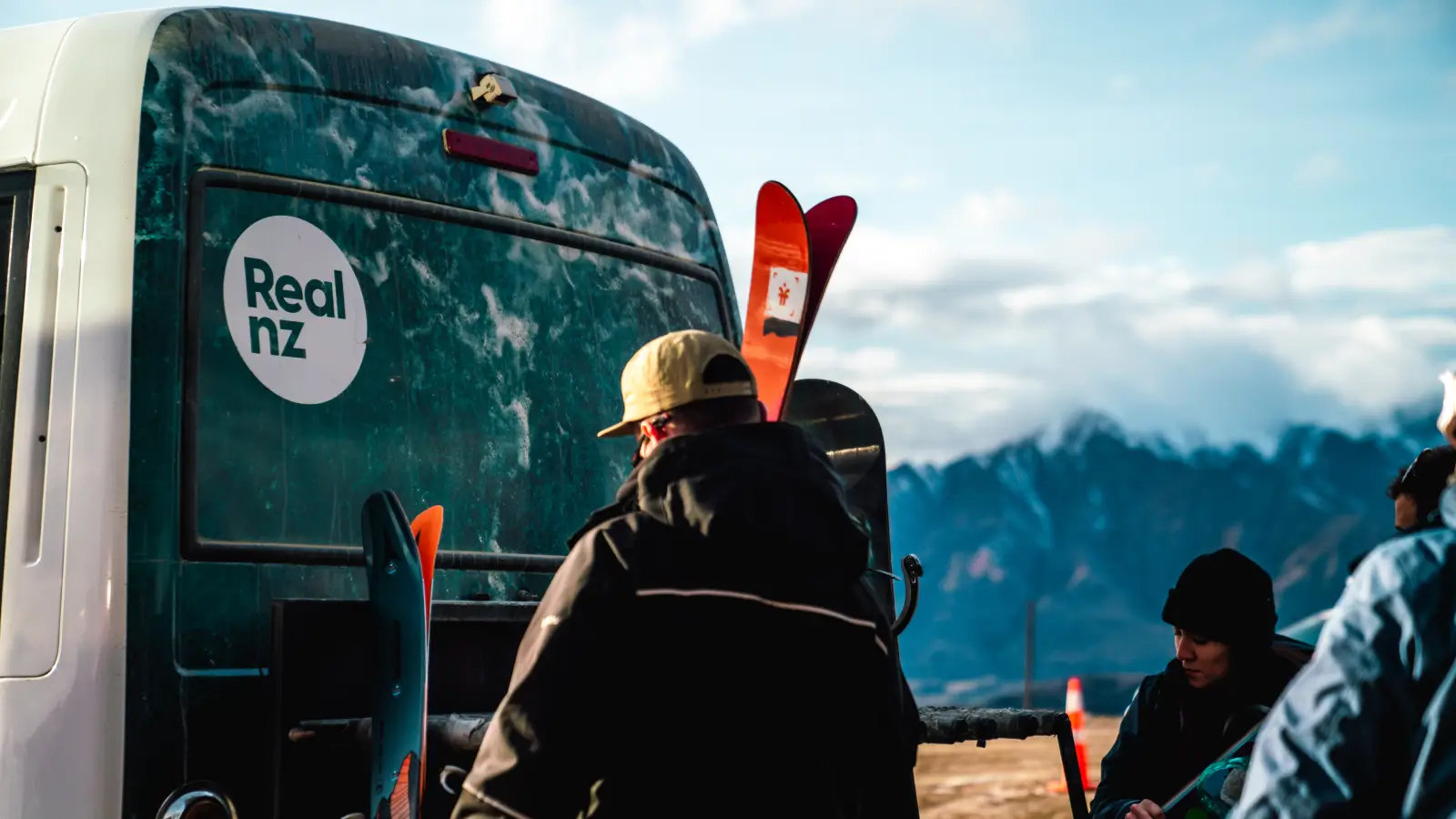
Regular shuttle services operate between Queenstown, Wānaka and the surrounding ski fields.
These Queenstown ski bus services make it easy to reach the mountains without driving alpine roads or worrying about parking.
Driving is also an option, though snow chains may occasionally be required during winter conditions.
Queenstown ski season isn’t defined by a single moment. It’s a progression that builds from early winter through to spring, with each phase offering something different on the mountain.
Whether you’re drawn to the depth and consistency of mid winter, the quieter pace of early season, or the longer, softer days of spring, timing your trip around the conditions you enjoy most will shape the experience. Plan well, stay flexible, and let the mountains do the rest.
常见问题
仍然需要帮助吗?您可以和我们的侃侃(目前仅支持企鹅语和英文,正在努力学中文...)
仍然需要帮助吗?您可以和我们的侃侃(目前仅支持企鹅语和英文,正在努力学中文...)
Related Articles