
Hints & Tips
Ski Trip Packing List: What to Pack for Skiing in NZ
Planning a ski trip to New Zealand? Use this complete ski trip packing list with layering advice, rental tips and practical guidance for NZ winter conditions.
Kirsty Hunter
Planning a ski trip to Cardrona and Treble Cone? Getting your packing right makes a real difference: not just to your comfort, but to how much you actually enjoy your time on the mountain. Too little and you'll be cutting runs short. Too much and you'll be lugging a suitcase full of things you never touched.
The good news: skiing is built around a system. Once you understand it, packing becomes straightforward. This guide breaks down everything you need: what to bring, what to leave at home, what's worth renting, and how to think about layering for the specific conditions you'll find here in the Southern Alps.
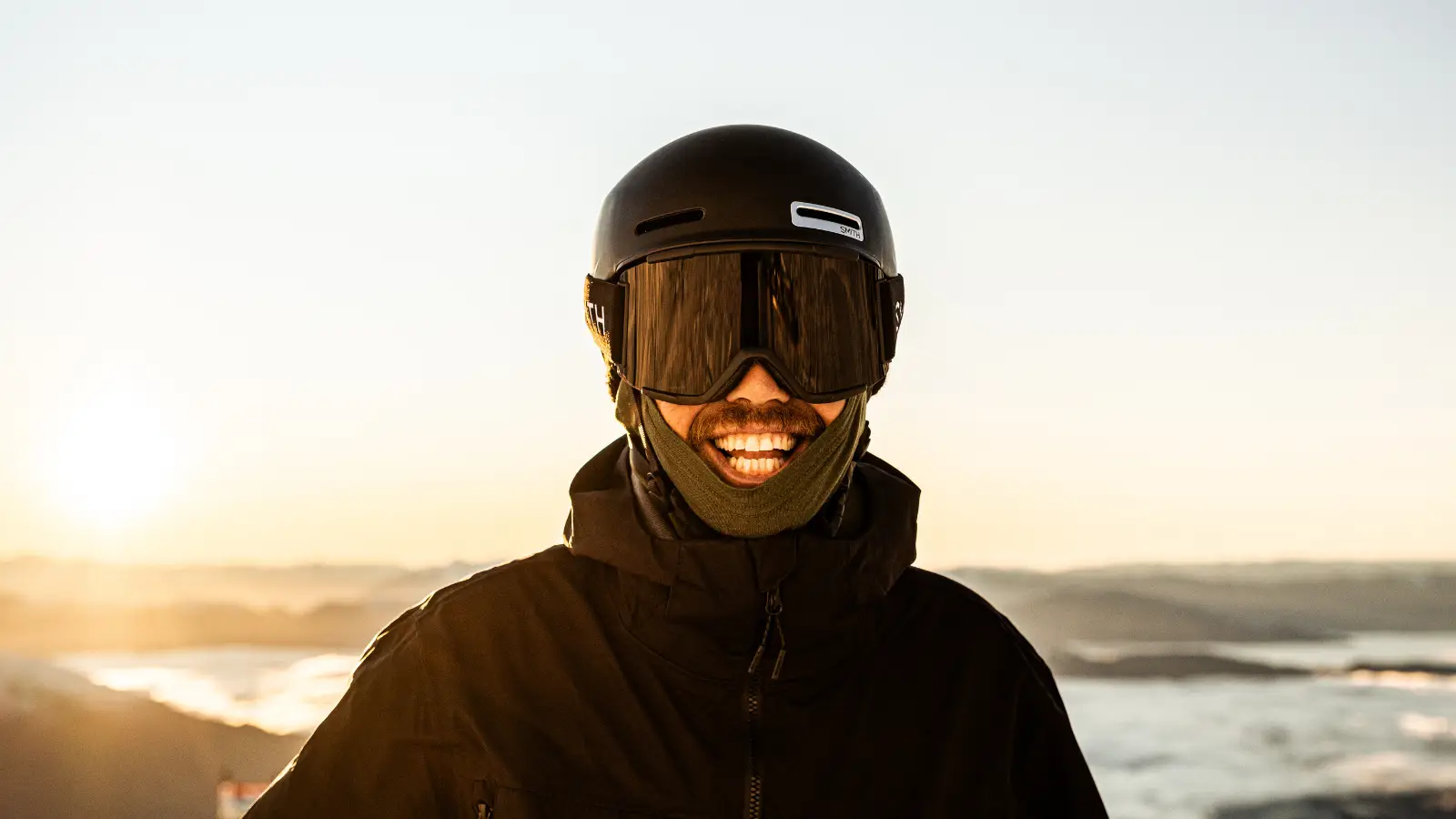
Table of Contents
Understanding the three-layer system
Before you start throwing things into a bag, it helps to understand the logic behind how ski clothing is designed to work. Every item you put on should belong to one of three layers, each with a specific job:
Base layer – sits against your skin and manages moisture. Its job is to pull sweat away from your body so you stay dry and warm, not clammy.
Mid layer – sits over your base and traps body heat. Think of it as your personal insulation.
Outer layer – your shell. It blocks wind, sheds snow and rain, and lets moisture escape outward.
Each layer works independently, but together they create a system that adapts to changing conditions. And conditions at Cardrona and Treble Cone do change: sometimes dramatically within a single day. Sun in the morning, snow squall by noon, bluebird again by 2pm. The layering system is what lets you respond to that without either overheating or freezing.
A common mistake is to try to compensate for thin layers by adding bulk. More isn't better: the right materials in the right order is what actually keeps you warm and comfortable.
For a deeper dive, read our guide to layering for winter with Icebreaker.
Base Layers: The foundation of warmth
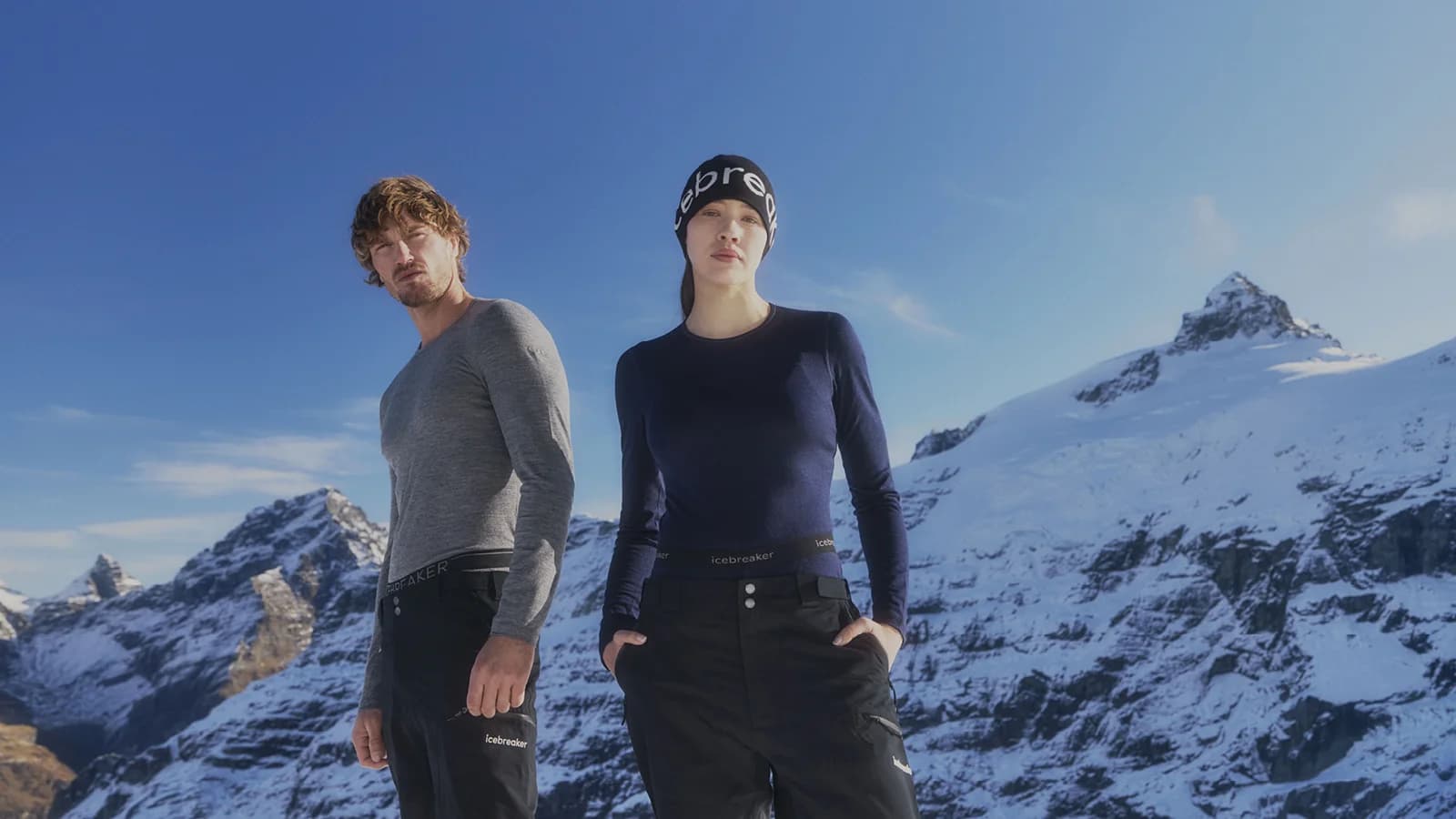
Your base layer is the most underrated item on this list. Get it right and everything else works better. Get it wrong (especially if you reach for cotton) and you'll be cold, wet and miserable no matter how good your jacket is.
Why cotton is a problem: Cotton absorbs moisture and holds onto it. Once it's wet, it stays wet and chills against your skin. On the mountain, this is genuinely dangerous as well as deeply uncomfortable. Leave cotton at home.
Your two main options are synthetic and merino wool.
Synthetic base layers
Synthetic fabrics (typically polyester-based) are the most common choice and often the most affordable. They wick moisture very effectively, dry quickly, and are lightweight and flexible: ideal for active days on the slopes. If you're skiing hard and generating a lot of heat, synthetic base layers are excellent at keeping you dry.
The trade-off: synthetic fabrics tend to hold odour after a few days of use, which matters on a longer trip.
Merino wool base layers
Merino is widely regarded as the gold standard for ski base layers, and for good reason. It's naturally temperature-regulating: warm when it's cold, less suffocating when you heat up. It's also naturally antibacterial, which means it resists odour far better than synthetics, making it ideal if you want to re-wear layers across a week-long trip without issues.
Merino is also the right call for NZ conditions specifically. Southern Alps weather can be variable and damp, and merino handles moisture in a more nuanced way than synthetics: managing it without leaving you feeling wet.
The downside: merino typically costs more upfront. But it's a long-term investment that pays off every season.
Don't forget your lower half. Base layer bottoms are just as important as tops and are easily overlooked. Ski pants aren't always insulated, so your base layer is often doing the heavy lifting from the waist down.
You can browse our full range of base layers at the Cardrona Store.
Mid Layers: Your insulation engine
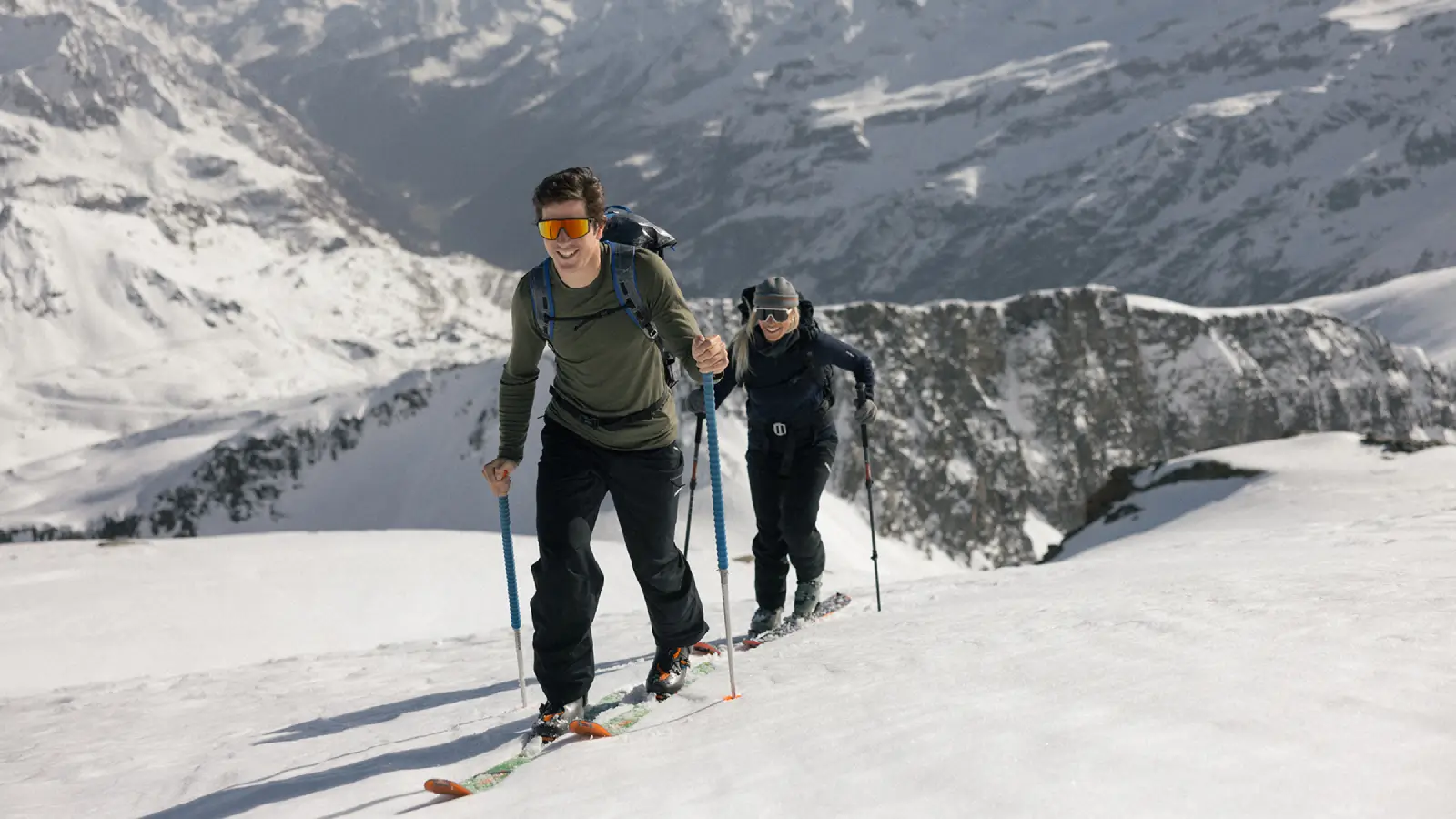
Once you've got moisture sorted by your base layer, your mid layer's one job is warmth. The key word here is insulation without bulk.
Fleece is the classic choice and for good reason: it's warm, lightweight, breathable, and dries quickly. A microfleece is a good all-round option for most conditions at Cardrona and Treble Cone. If you know you feel the cold, a thicker fleece gives you more warmth without adding much weight.
Lightweight down or synthetic insulation jackets are another solid option. They pack small, layer well under a shell jacket, and provide excellent warmth-to-weight ratio. Just make sure the one you choose is slim enough to move freely under your outer layer.
Avoid cotton hoodies and thick knit jumpers. They don't breathe well, they hold moisture, and they're too bulky to layer comfortably under a shell.
Is a puffer jacket OK as a mid layer? Yes: with an important caveat. A puffer works well for insulation, but it's not waterproof. It needs a proper outer shell over the top to be effective on the mountain. A puffer alone isn't a ski layer; it's half of one.
How many mid layers do you need? For most trips, one is enough. Conditions at Cardrona and Treble Cone are generally mild enough that a single mid layer paired with a good base and outer will see you through. If you're particularly cold-blooded or heading into a deep winter cold snap, a second lightweight fleece gives you options.
Browse mid layers and fleeces here.
Outer Layers: Your shield against the elements
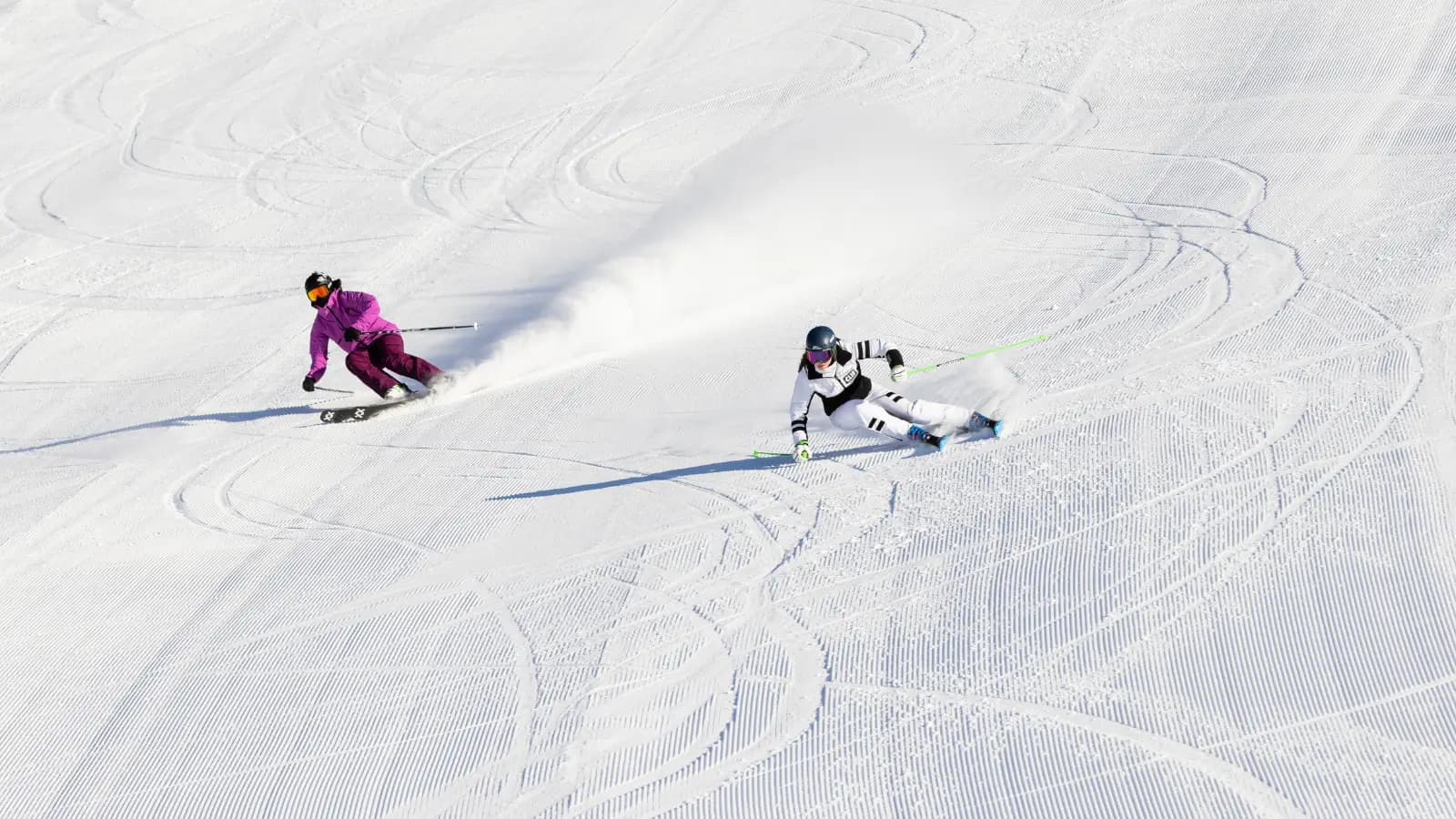
Your ski jacket and ski pants are your outermost defence, and they need to work hard. NZ mountain conditions are particularly demanding on outerwear: the snow can be wet, the wind can be strong, and the weather can shift fast.
Ski jackets
Look for these key specs:
Waterproof rating of 10,000mm or higher. This is the measurement of how much water pressure the fabric can withstand before it leaks. 10,000mm is the minimum for a ski environment; 15,000–20,000mm is better for wetter conditions, which NZ can absolutely deliver.
Breathability rating. A jacket that doesn't breathe will leave you soaked from the inside out. Look for a breathability rating of 10,000g or above.
Taped seams. Waterproof fabric alone isn't enough: stitching creates tiny holes. Fully taped seams seal those gaps.
Ventilation zips (pit zips). These are underarm zips that let you dump heat fast when you're working hard on a run. Extremely useful when the sun comes out.
Snow skirt. An internal skirt at the hem that seals against your pants to stop snow creeping in when you fall.
Ski pants
The same waterproof and breathability logic applies. You have two main options:
Shell pants are waterproof but uninsulated: they rely on your base and mid layers for warmth. Lighter and more versatile across different temperatures.
Insulated pants have built-in warmth but less flexibility. Better for cold bluebird days; can feel warm on a sunny spring day.
For NZ conditions, which sit somewhere between the bitter cold of the European Alps and the springlike warmth of some US resorts, shell pants with a good base layer underneath is often the more adaptable choice.
Shop ski jackets and pants at Cardrona Corner.
Extremities: Hands, feet, head and face
Your core might be fine, but if your hands or feet are frozen, the day is over. These details matter.
Gloves and mittens
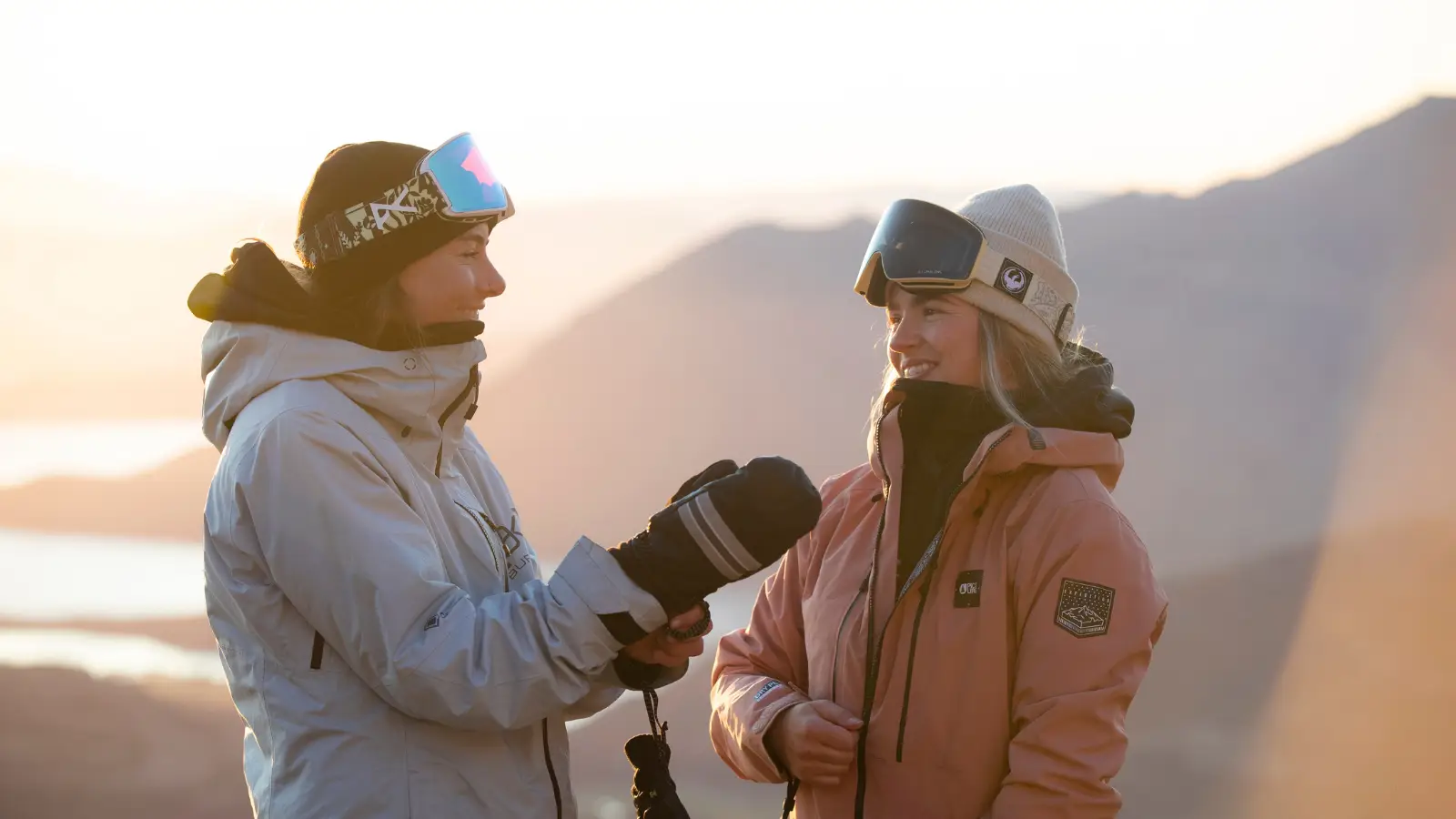
There are two camps: gloves (five individual fingers) and mittens (fingers together). Here's the practical difference:
Gloves give you better dexterity: useful for adjusting buckles, using your phone, or handling poles. The classic choice for most skiers.
Mittens are warmer. Your fingers share body heat rather than losing it individually. If you genuinely suffer with cold hands, mittens are worth considering. Modern ski mittens are designed with good grip for poles, so the old argument that you can't hold poles properly in mitts doesn't really hold up anymore.
Whatever you choose, waterproofing is essential. Cold wet gloves are no fun at all. A spare pair is worth bringing on a longer trip: wet gloves don't always dry overnight.
Ski socks
Use ski-specific socks, not doubled-up regular socks. Doubling up creates friction points that cause blisters, and can cause your foot to lift inside the boot. A proper ski sock has targeted padding, minimal seams in critical areas, and is designed to fit inside a boot correctly.
Merino ski socks are ideal: warm, moisture-managing, and odour-resistant. One good pair per skiing day is the right approach.
Helmet
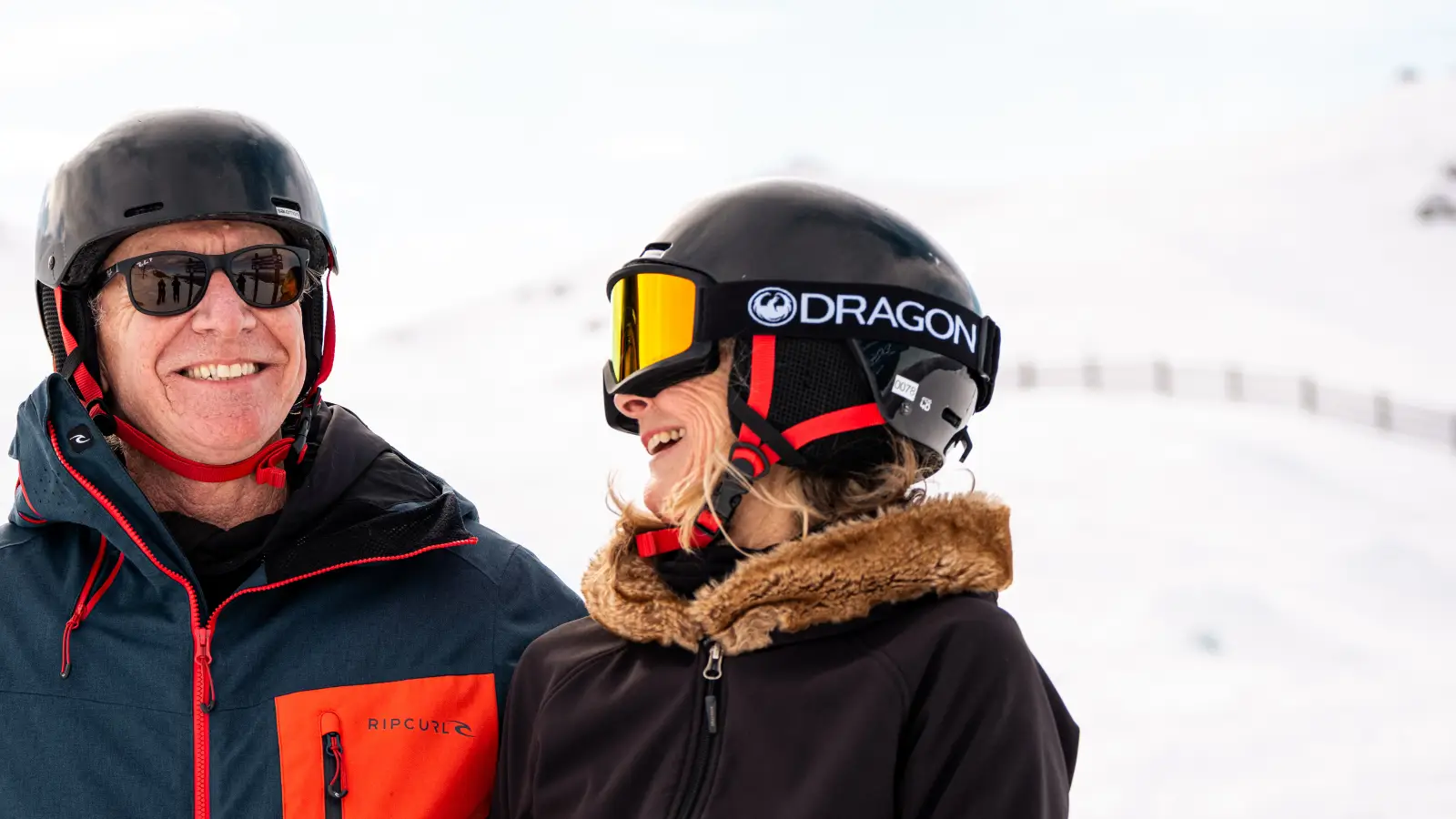
Helmets are strongly recommended for the safety of everyone on the mountain. Modern ski helmets are warm, comfortable and well-ventilated. Many include integrated ear protection, goggle clips, and removable liners.
If you don't own one, you can easily hire one from us as part of a rental bundle: more on that below.
Goggles
Goggles protect you from UV glare, wind, blown snow, and the eye-watering cold of a fast descent. NZ altitude means UV exposure is higher than many people expect, even on overcast days. A goggle with UV400 protection is the standard.
For changing light conditions (a feature of NZ weather), photochromic lenses that adjust to brightness are worth considering. Alternatively, bring two lenses: a darker one for bright conditions, a clear or low-light lens for flat light days.
Neck warmer / buff
One of the most frequently forgotten items, and one of the most appreciated once you have it. A buff-style neck warmer seals the gap between your jacket collar and your helmet, blocks wind on the chairlift, and can be pulled up over your chin and nose on really cold days. It takes almost no space in your bag.
Safety and sun essentials
Sunscreen
This is the one most people skip and then regret. UV intensity at altitude is significantly higher than at sea level: and reflective snow effectively doubles your exposure. A sunburnt face after day one will make the rest of your trip uncomfortable. Use SPF 50+ and reapply throughout the day, especially after lunch.
Lip balm with SPF
Your lips have no melanin and dry out fast in cold, dry mountain air. SPF lip balm is worth keeping in your jacket pocket.
Should you bring or rent your ski gear?
This is one of the most common questions we get, and the answer depends on your situation.
If it's your first ski trip
Rent. Full stop. Travelling with skis or a snowboard, boots and a helmet is expensive, logistically annoying, and as a beginner you don't yet know what you prefer. Rental gear is professionally fitted when you arrive, tuned for current conditions, and comes in a range of options suited to different ability levels.
If you ski regularly
Boots are the one item most experienced skiers prefer to own. A well-fitted boot that you've broken in is genuinely better than rental boots. Ski boots are the most personal piece of equipment in the sport: the fit, flex and buckle setup matter enormously, and getting that right usually means owning your own.
Skis and snowboards are worth reconsidering. Renting locally means access to high-quality, freshly tuned gear matched to current snow conditions. You don't have to worry about transporting them or airlines' awkward ski bag fees.
Helmets are easy to rent and take up significant bag space. Unless you have specific fit preferences, it's one less thing to pack.
Our rental bundles
We offer two options at Cardrona and Treble Cone:
Core Bundle: skis or snowboard, boots, bindings/poles, plus helmet and goggles
Complete Bundle: everything in the Core Bundle plus jacket and pants for a full head-to-toe setup
The Complete Bundle is particularly worth considering if you don't own ski-specific outerwear and don't want to buy it for an occasional trip.
Learn more about ski hire at Cardrona and Treble Cone here.
Off-mountain clothing
You'll spend time in town, at restaurants, and in accommodation: and your ski gear isn't always right for that (though your ski jacket absolutely doubles as a warm town jacket).
Warm, waterproof boots for walking around Queenstown or Wānaka in cold, potentially icy conditions
A warm casual jacket: your ski jacket works here too
Casual layers: jeans, knits, tees for evenings
Swimwear: hot pools and saunas are a Queenstown/Wānaka staple and one of the best ways to end a day on the mountain. Don't forget this one.
Comfortable travel clothes for flights and transfers
Toiletries and extras
Mountain air is dry, cold and unforgiving on skin. A few additions to your standard toiletry kit make a real difference:
Moisturiser: use it morning and night. Your skin will dry out fast.
Sunscreen SPF 50+: bring more than you think you'll need
SPF lip balm
Muscle relief cream: your legs will work harder than they're used to. A cream like Voltaren or Deep Heat is worth having on hand.
Hand warmers: single-use chemical warmers are cheap and excellent for genuinely cold days or slow chairlift queues
Small day pack: for carrying snacks, a water bottle, your extra layers and phone on the mountain
Laundry bag: keeps dirty kit separate from clean gear in your luggage
How much to pack: 3, 5 and 7-day trips
One of the most liberating realisations of ski packing: you need less than you think. Outerwear (jacket and pants) can be worn every day. Base layers rotate. Mid layers stay mostly the same.
If you’re wondering what to pack for a 3 day ski trip or what to pack for a 7 day ski trip, this breakdown keeps things simple.
How often do you actually need to wash base layers? If you're wearing merino, you can generally get two days from a base layer before it needs washing: merino's antibacterial properties mean it resists odour remarkably well. Synthetics typically need washing daily. Either way, most NZ ski accommodation has laundry access.
The 5-4-3-2-1 rule is a handy guide for keeping casual clothing in check: 5 pairs of socks/underwear, 4 tops, 3 bottoms, 2 pairs of shoes, 1 jacket. Apply that to your off-mountain wardrobe and adjust for trip length.
Packing for NZ mountain conditions specifically
NZ skiing has its own character that's worth understanding before you pack.
Variable weather is the defining feature. A single day at Cardrona and Treble Cone can move through sunshine, cloud, wind and snowfall. This isn't a flaw: it's part of what makes it special. But it means your layering system needs to actually work, not just look good on paper.
Wet snow is more common here than in some colder destinations like Japan or the Canadian Rockies. NZ snow can be heavy and damp, especially in spring. This makes waterproofing particularly important: not just weather-resistant, but genuinely waterproof rated outerwear.
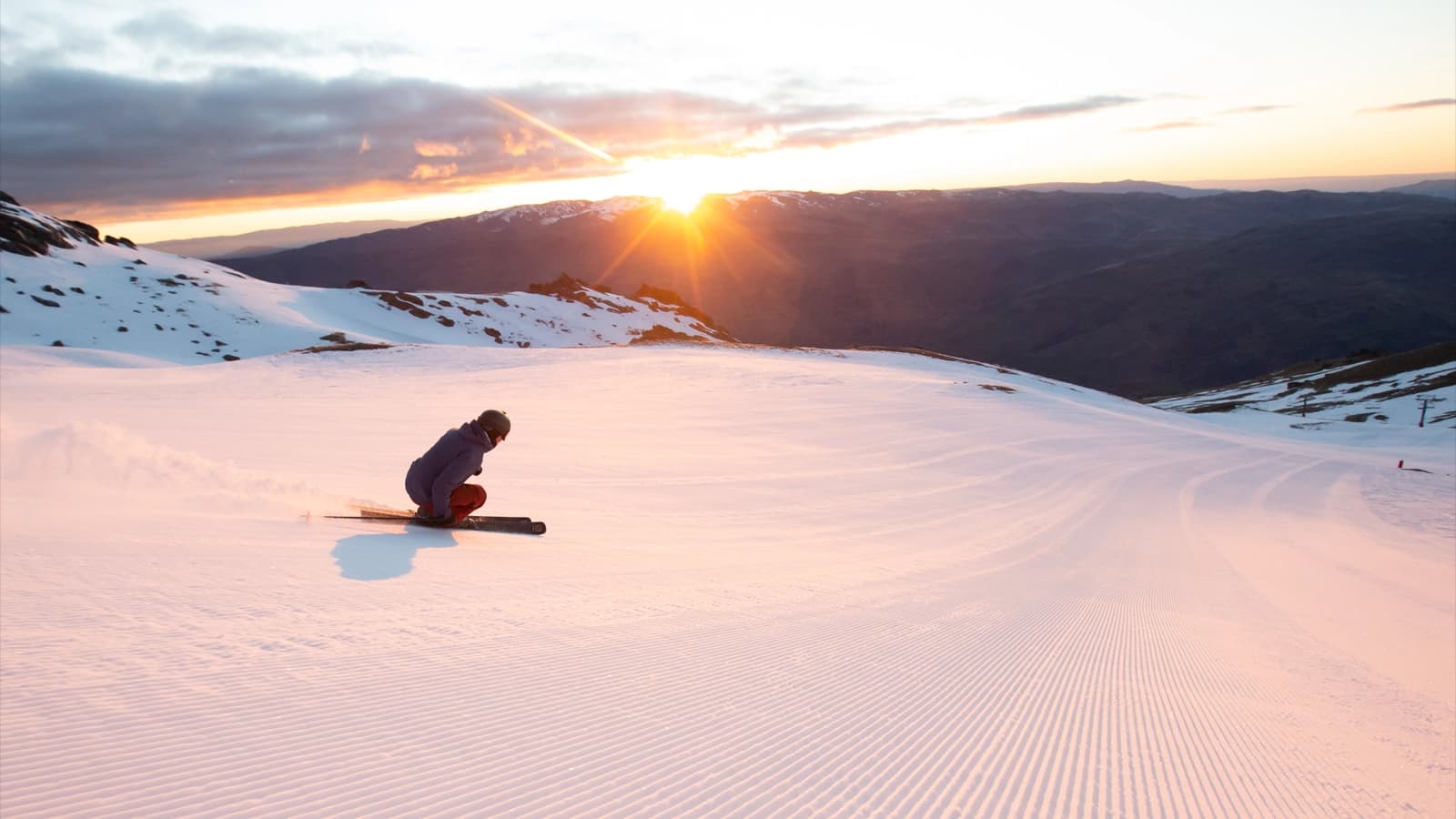
Wind in alpine areas can be intense. Exposed ridgelines at Cardrona and Treble Cone especially. A properly fitted helmet, goggles that seal well, and a jacket with a good collar and hood make a significant difference.
UV exposure at altitude in NZ is higher than most visitors expect. The ozone layer is thinner in this part of the world, and snow reflects UV back up at you. Sunscreen is non-negotiable, not optional.
Driving to the mountain? Depending on conditions, you may need snow chains. Check the forecast and road conditions before you head up. Alternatively, skip the driving entirely: our ski bus runs from Queenstown and Wānaka and makes the whole thing easier.
What first-timers most often forget
Even well-prepared first-time skiers consistently miss a few things:
Neck warmer: the gap between your helmet and jacket collar gets cold fast
Spare gloves: wet gloves on day two are miserable
Sunscreen and lip balm: the mountain is more UV-intense than you expect
Water and snacks: physical exercise at altitude means you dehydrate faster than usual; keep water in your pack
Booking lessons early: lessons fill quickly during peak weeks, and getting instruction early in a trip makes everything more enjoyable.
New to skiing? Start with our guide to ski lessons in Queenstown and Wānaka.
Ski Trip Packing FAQs
Still need some help? Get in touch using our
Still need some help? Get in touch using our
Related articles
Retail & Merch
Cardrona Shop
The Cardrona Corner has you covered for retail, whether you’re on-mountain or in town. Stop in for mountain merch, the latest hardware and brands, or even a forgotten pair of gloves. We have you sorted.
Hints & Tips
5 Day Queenstown Ski Itinerary: The Perfect Winter Plan
Planning a 5 day Queenstown ski trip? Follow this practical itinerary with Cardrona and Treble Cone days, transport tips, rentals, lessons and booking advice.
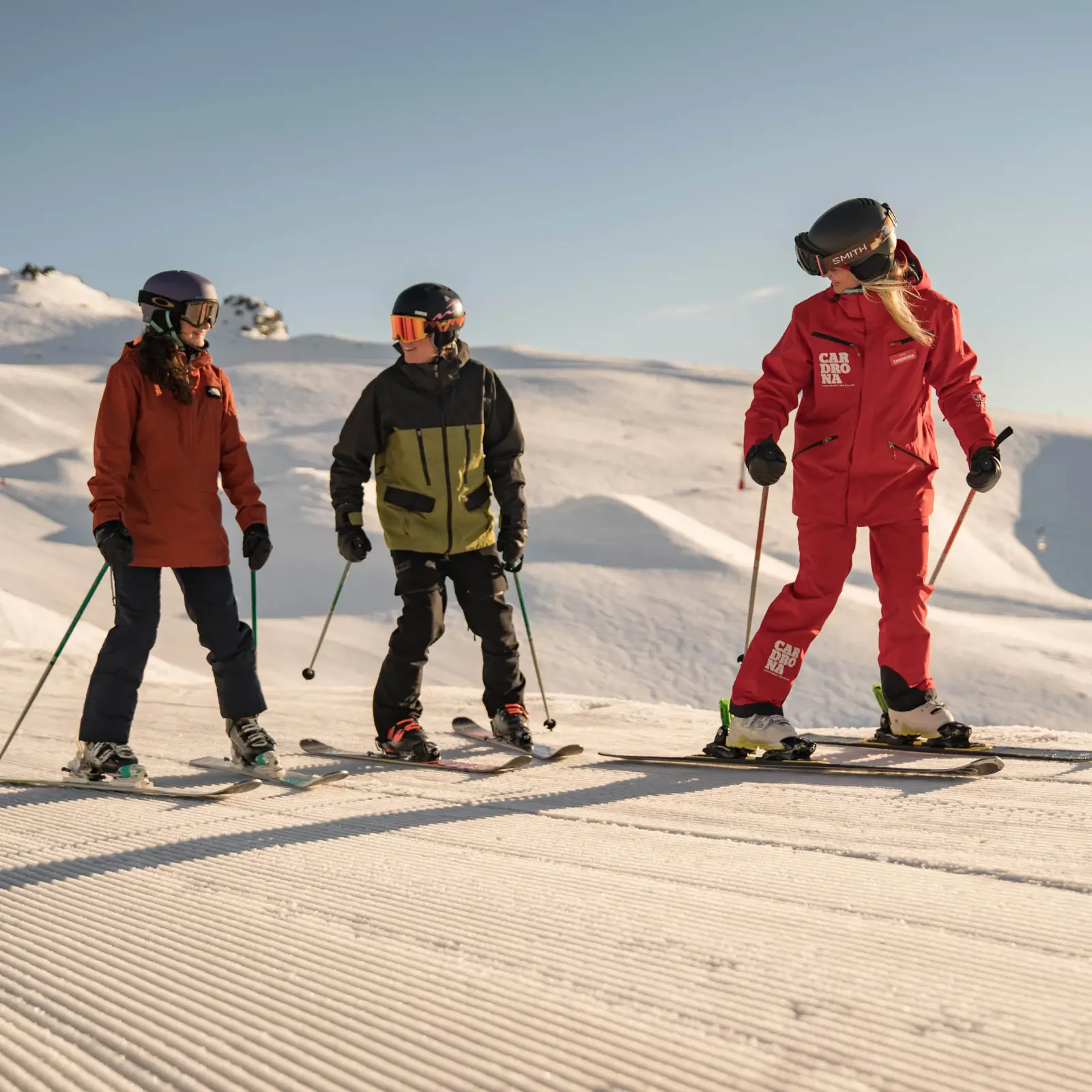
The Complete First-Time Ski Guide
Is Cardrona Good for Beginners?
Thinking about learning to ski at Cardrona? Discover beginner terrain, lessons, first-day tips and why Cardrona is one of NZ’s best ski resorts for beginners.
Retail & Merch
Cardrona Shop
The Cardrona Corner has you covered for retail, whether you’re on-mountain or in town. Stop in for mountain merch, the latest hardware and brands, or even a forgotten pair of gloves. We have you sorted.
Hints & Tips
5 Day Queenstown Ski Itinerary: The Perfect Winter Plan
Planning a 5 day Queenstown ski trip? Follow this practical itinerary with Cardrona and Treble Cone days, transport tips, rentals, lessons and booking advice.
The Complete First-Time Ski Guide
Is Cardrona Good for Beginners?
Thinking about learning to ski at Cardrona? Discover beginner terrain, lessons, first-day tips and why Cardrona is one of NZ’s best ski resorts for beginners.